The Outcome So Far
In July 2026, I had another endoscopy to see how much my stomach had improved. These are the reports, how they compare with my earlier ones, and what I still need to work on.
Chapter Eight
The Proof of Change
July 2026 / endoscopy and pathology
The Diagnosis Finally Changed
I still had some stomach cramps and reflux, but I felt much better than I had at the beginning. The burning I used to get when my stomach was empty was gone, and I could go hours without eating and feel fine.
When a new gastroenterologist suggested another endoscopy, I agreed. I wanted to see whether the gastritis and erosions from my earlier reports were still there, and understand why I still had a few symptoms.
During the endoscopy on July 21, 2026, the doctor looked at my stomach lining with a camera and took small pieces of tissue, called biopsies. A pathologist examined those samples under a microscope. That separate report, dated July 27, was where I saw the change: my earlier biopsies had said chronic superficial gastritis, but this one said reactive gastropathy.
What the earlier diagnosis meant
Gastritis meant my stomach lining was inflamed. “Chronic” meant longer-lasting inflammation, and “superficial” meant it was close to the surface of the lining. Those words couldn't tell me exactly when it had started or how much pain it would cause. Both earlier reports also mentioned reactive changes: the cells showed signs of reacting to irritation or damage. The 2023 biopsy report included erosive areas, which are shallow breaks in the surface.
What changed in 2026
This time the diagnosis was different. Reactive gastropathy means the lining shows damage from irritation, usually with little inflammation. My samples came from the antrum, the lower part of the stomach near its exit, and the body, its main middle part. They still showed reactive changes and what the report called a mild lymphoplasmacytic infiltrate. That means a small number of two kinds of immune cells, lymphocytes and plasma cells, were present. H. pylori, a bacterium that can cause gastritis, was not found in the tested tissue. My lining still showed some damage and mild inflammation, but the old chronic superficial gastritis diagnosis was no longer there.
Chapter Nine
A Gradual Change You Can Document
My reports from 2021, 2023 and 2026
Looking back at the three endoscopies
Reading the reports together helped me see what had changed. The first two biopsies said chronic superficial gastritis; the latest one said reactive gastropathy. They don't show everything that happened between those years or tell me which treatment brought about the change. They do give me something to compare beyond how I felt.
-
2021
When I was first diagnosed
The endoscopy on November 17, 2021 showed redness and shallow breaks in the lining of my antrum, the lower part of the stomach. The report called it erythematous and erosive. The biopsy report dated November 18 diagnosed chronic superficial gastritis with reactive changes: there was inflammation, and the cells showed signs of reacting to damage. H. pylori was not found in the sample. I finally had reports showing that something was wrong with my stomach lining.
-
2023
Still looking for relief
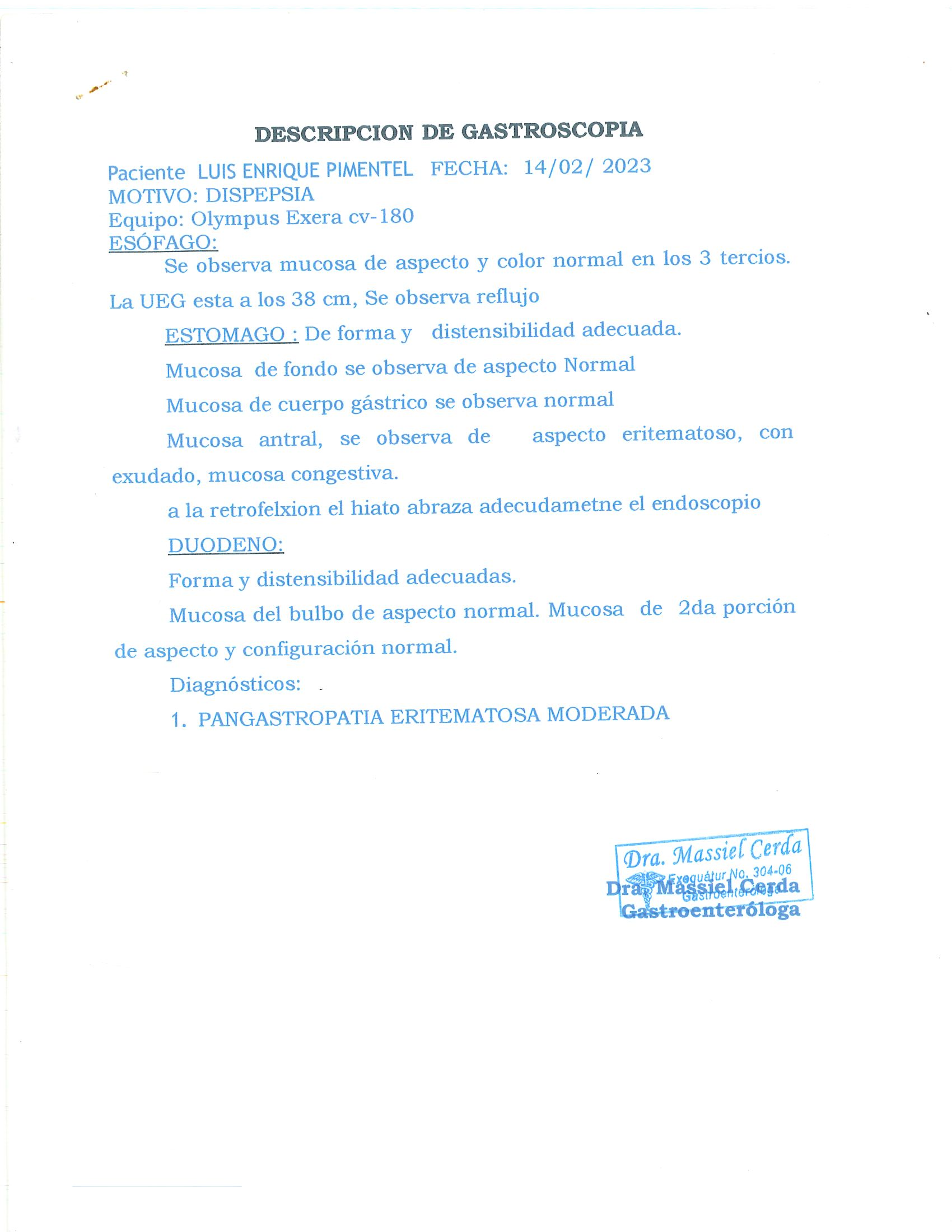
In January 2023, I went to a fourth gastroenterologist because I still had symptoms and hoped she would try a different treatment. She wanted another endoscopy before deciding what to prescribe. The February 14 report called the diagnosis “moderate erythematous pangastropathy,” suggesting redness across the stomach. Its detailed description was more specific: the fundus and body, the upper and main parts, looked normal, while the antrum was red and had exudate, a coating of fluid and other material that can appear with inflammation or injury. It also described congestion, meaning blood had built up in the lining's small vessels. The biopsy report dated March 16 confirmed chronic superficial gastritis, with erosive areas and reactive changes. It also said non-atrophic, meaning no loss of stomach glands was described in the sample. H. pylori was again not found. After all those appointments and prescriptions, I was still reading the same diagnosis.
-
2026
A different biopsy result
The July 21, 2026 endoscopy still described redness and hyperemia, meaning increased blood flow, in the body and antrum. It also found moderate exudate, the surface coating mentioned in the earlier report. This time it did not describe erosions. The biopsy report dated July 27 said reactive gastropathy, with the small number of immune cells explained above. H. pylori was again not found in the tested tissue. For the first time, the biopsy no longer said chronic superficial gastritis. There was still irritation and some mild inflammation, but that change was what I had hoped to see.
Scans and original photos
The reports side by side
Below are the endoscopy and biopsy reports for each year. You can switch between the scans and original phone photos, then open any report at full size.
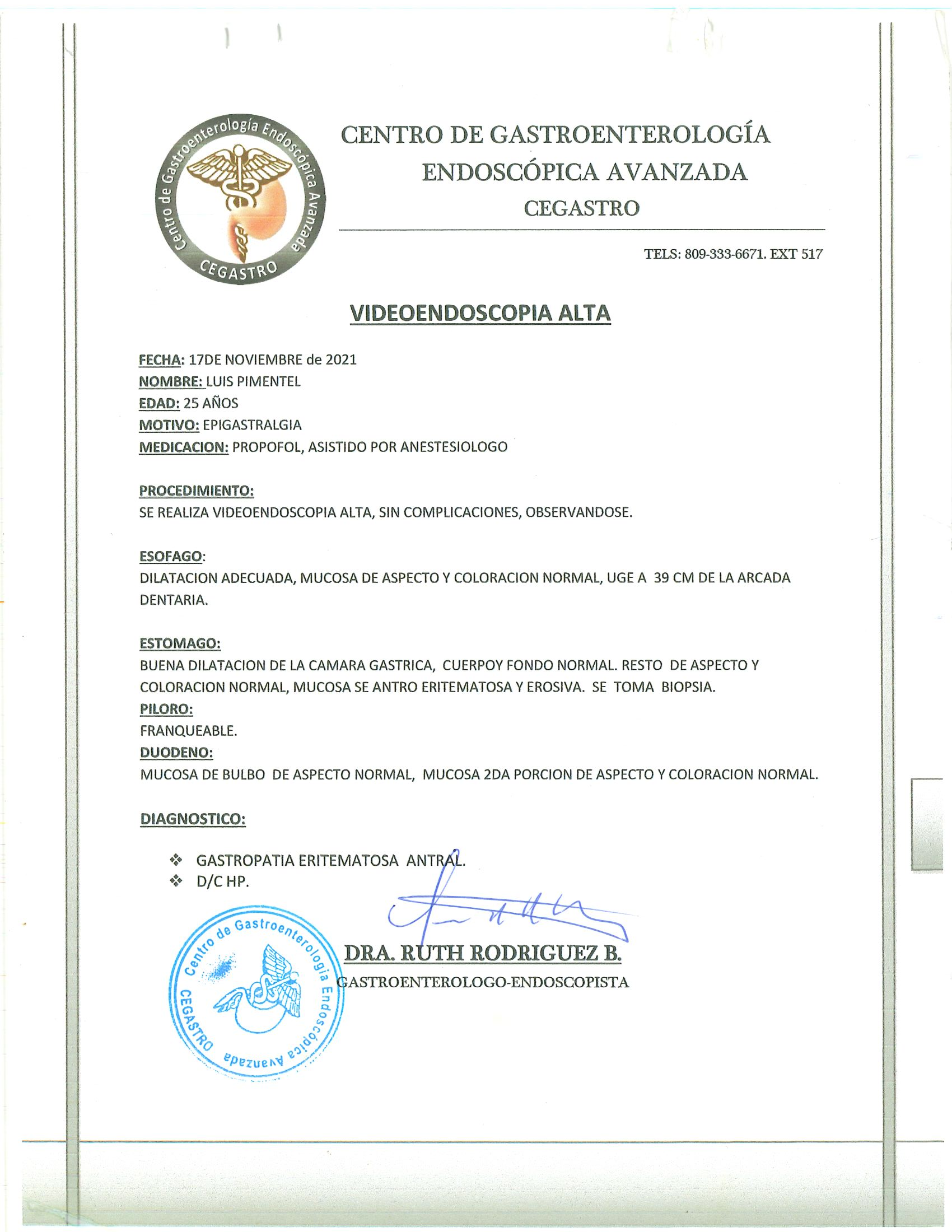
2023 evidence
2026 evidence

The rest of the July 2026 results
What still needs work
Reactive gastropathy
The stomach biopsy still showed irritation and damage to the lining, along with a small number of inflammatory cells. Chronic superficial gastritis was no longer the diagnosis, but I could see from the rest of the report that my lining hadn't fully healed.
Bile reflux
Bile is made by the liver and helps digest fats in the small intestine. My endoscopy showed it flowing backward into my stomach. Bile can irritate and damage the stomach lining, and it is a known cause of reactive gastropathy, the diagnosis in my latest biopsy. That gives me a possible explanation for the damage in that report. What I still don't know is why the bile is flowing backward.
Separate duodenitis
There was also moderate duodenitis, or inflammation in the first part of my small intestine. The biopsy found mild villous atrophy: the tiny projections that help absorb nutrients were slightly shortened. This was a separate problem from the one in my stomach. The report did not identify any parasites in the tissue it examined or say what had caused the inflammation.
What I'm working on now
Addressing bile reflux.
I've been doing some online research to understand what might be behind my bile reflux. I've come across ideas about poor bile flow, bacterial overgrowth in the small intestine (SIBO), and even low stomach acid. I don't know yet whether any of these explains what's happening in my case.
That low-acid idea is hard for me to believe. If you've followed the story, you'll remember how I kept taking acidic things and ended up making things worse. I never actually measured my stomach acid, though. I'm still trying to understand what's going on and what might help.
Let's hope I don't mess things up again.
The story so far
I feel better, but I’m not done yet.
I feel much better than I did in the early years. The July reports gave me something to compare with the earlier ones, instead of relying only on how I felt. I still have the bile reflux and other findings to work on, but I'm glad I know more about them now.