A Hit and a Miss

This was the first alternative approach that actually made my symptoms improve. But behind the relief, I was making one of the biggest mistakes of my gastritis journey.

↓
Chapter Two
A Glimpse of Hope
Diary timeline

"One Step Forward"

Beginning of 2023

Searching for an Alternative Solution

At the beginning of 2023, I began searching the internet for an alternative solution. I came across a health professional who explained that low stomach acid(hypochlorhydria) is often the hidden cause of gastritis and some symptoms that go with it, like acid reflux and bloating.

Beginning of 2023

Why Less Acid Could Still Hurt

At the time, the explanation I found connected stomach acidity with its protective mucus layer. The idea was that less acid could mean less mucus, leaving enough acid to irritate and inflame the exposed lining.

It described three states: strong acidity, around pH 1–2, with digestion working and the lining protected; reduced acidity, around pH 3–6, where digestion weakens but remaining acid can still hurt; and a nearly neutral or alkaline stomach, where burning may ease while digestion remains impaired. Returning toward normal acidity could hurt while the mucus protection was still recovering.

He suggested eating aloe vera on an empty stomach to help the mucosa heal and drinking lemon water to help restore the stomach's natural acidity.

Early 2023

Starting with Aloe Vera

I was skeptical at first; doctors usually forbid acidic foods when you have gastritis, and my stomach had actually hurt when I drank lemon water in the past.

So, in February 2023, i decided to try aloe vera crystals in the morning on an empty stomach instead of lemon water.

Months later

Partial Relief, But Not Enough

I'm not going to lie: it did help a little with my stomachaches and burning feeling. Even drinking water on an empty stomach in the mornings didn't sit well with me, and after trying aloe vera for a month that pain got much better.

But the acid reflux, stomach and head cramps, dizziness, and bloating remained.

August 2023

Finally Trying Lemon Water

After months of hesitating about using lemon water as the doctor suggested, I finally did it in August 2023. I started a routine where I ate aloe vera crystals in the morning on an empty stomach and then drank lemon water before and after meals. At first, it burned my stomach a lot, but I got used to the pain. and after two weeks, of drinking it my acid reflux completely disappeared and my gums stopped bleeding.

A couple of months later

Things Finally Started to Look Up

Weeks later, my digestion improved. For example, eggs previously didn't sit well with me, but I soon ate them every day without issue. Plus, i had normal bowel movements for 15 days straight, a massive milestone considering I had suffered from chronic constipation since i started going to the doctors. Even more amazingly, my dizziness and vertigo lessened significantly

Months later my acne was also clearing up, and things finally took a turn for the better.

Graduation day

The Hidden Cost

But there was a problem: my stomach still hurt while I was drinking the lemon water. Even though I was eating aloe vera for the mucusa, it did little to help the pain. The muscle cramps in my stomach when trying to look at myself in the mirror with my head straight, or when tilting my head down slowly, not only remained but got worse.

As you can see in the pictures, by my graduation day, after months of drinking lemon water, I was losing weight, and my cheeks looked hollow. Turns out, I was making a huge mistake.

What I Learned about Gastritis

After that experience with lemon water, i started investigating the importance of stomach acid and realized a few things:

Healthy stomach with pH 1-2 and mucus layer
1 Lesson 01

The Stomach is Designed to be Extremely Acidic

  • The normal pH of a healthy stomach is between 1-2 (highly acidic) and between 4-6 after a meal.
  • This extreme acidity is important for protein digestion, defense against microbes, nutrient release/absorption, and for helping gastric mucin form a thick protective gel-like mucus barrier over the stomach lining.
Read all panels
NSAIDs blocking COX-1 and damaging stomach lining
2 Lesson 02

How Gastritis Actually Happens 1

  • NSAIDs (Nonsteroidal Anti-Inflammatory Drugs) like ibuprofen, aspirin, and naproxen - as well as antibiotics like Doxycycline - can directly damage the stomach lining.
  • NSAIDs work by blocking an enzyme called COX-1, which produces prostaglandins - the chemical messengers that tell your stomach to produce its protective mucus layer and increase bicarbonate.
  • Without prostaglandins, mucus production drops. The stomach lining is left exposed and defenseless against its own acid, leading to inflammation - gastritis.
  • This is why doctors warn against taking NSAIDs on an empty stomach, and why long-term use is one of the most common causes of gastritis and stomach ulcers.
Helicobacter pylori infection stages damaging the stomach lining
3 Lesson 03

How Gastritis Actually Happens 2: H. pylori

  • H. pylori is a bacterium that can live in the stomach's mucus layer. It uses an enzyme called urease to turn urea into ammonia, creating a small less-acidic zone around itself so it can survive.
  • Once it colonizes the lining, it can stick to stomach cells and weaken the mucus barrier. Acid and pepsin can then irritate tissue that should have been protected.
  • The immune system reacts to the bacteria and damaged lining with inflammation. Over time, that chronic irritation can become H. pylori gastritis and, in some people, ulcers or deeper stomach-lining damage.
Gastritis - pH rises, mucosa thins, acid burns lining
4 Lesson 04

How Gastritis Actually Happens 3

  • Bad habits such as poor diet, constant snacking without hunger, and drinking large amounts of liquids with meals may keep stomach pH elevated for longer periods, pH to 4 or 5 (less acidic).
  • The stomach does not simply stop producing mucus, but gastric mucin works best as a protective gel in an acidic environment.If normal acidity is disrupted for too long, the mucus barrier may become weaker or less stable.
  • A weaker barrier can allow acid, pepsin, bile, bacteria, or food irritants to reach the stomach lining more easily, contributing to irritation and inflammation in vulnerable people.
Antacid trap cycle - pH 7-8, no digestion, nutrients blocked
5 Lesson 05

The Acid-Blocker Loop

  • Doctors may prescribe PPIs such as omeprazole or pantoprazole, or antacids, to reduce stomach acidity and give an inflamed lining time to heal. By lowering acid exposure, these medicines can reduce burning and pain.
  • But stomach acid also has normal functions: it helps activate protein digestion, supports the release of certain nutrients from food, and contributes to the acidic environment where gastric mucin forms a stronger protective gel.
  • With long-term acid suppression, some people may experience poor digestion, bloating, or nutrient issues, especially involving B12, iron, calcium, magnesium, and possibly zinc. And when PPIs are stopped suddenly, rebound acid production can make symptoms return.
  • This can create a cycle: symptoms improve on acid blockers, return when stopping, and the person feels pushed back onto the medication. The problem is not simply “acid is bad,” but that the stomach lining may still be damaged, sensitive, or not fully protected.
Illustration of how long-term acid suppression and low acid may have contributed to my reflux pattern
6 Lesson 06

How Long-Term Acid Suppression Contributed to My Reflux

  • The lower esophageal sphincter is the muscular valve that helps keep stomach contents from moving upward. Higher stomach acidity (a lower pH) is thought to signal the LES to contract and clamp tightly shut, creating a secure seal.
  • PPIs reduce acid production by blocking acid pumps in parietal cells.This reduction in acidity can lower resting LES pressure. The valve becomes more lax, alowing acid(in this case nonacid reflux) to move upward.
  • While the medication stops highly acidic juices from burning the esophagus, it does not stop the physical act of reflux. Instead, a person may experience a backflow of weakly acidic or non-acidic fluid (containing irritating bile and digestive enzymes) that can still trigger symptoms.
  • In one small human experiment, greater stomach acidity was associated with stronger resting pressure in the lower oesophageal sphincter.
  • This is one possible pathway, not the cause of everyone’s reflux. A weak or mistimed lower esophageal sphincter, a hiatal hernia, abdominal pressure, and other factors can also cause reflux.
Illustration of how gastritis may contribute to reflux through delayed emptying and sensitivity
7 Lesson 07

How Gastritis Itself Can Contribute To Reflux

  • Mechanism 1: Delayed gastric emptying - Inflammation can slow stomach function and make food sit longer. This leads to fullness and pressure. That pressure pushes contents upward, causing reflux.
  • Mechanism 2: Increased sensitivity - Even if reflux is mild, inflamed tissue makes you feel it more. So small reflux feels like strong reflux - more burning, pain, and discomfort.
Bleeding ulcer - temporary antacid use only
8 Lesson 08

The ONLY Time Antacids Should Be Used 1

  • The only medical indication for them is if a patient has an active, open, bleeding ulcer. The acid needs to be temporarily stopped just long enough for the wound to close, after that treat the mucusa with the right supplements and finally the acid must be restored immediately. They should never be used chronically.

The Domino Effect

After prolonged acid suppression medications, low stomach acid seemed to be one contributor to my symptoms. I experienced all the symptoms below and have supporting evidence for some of them.

Illustration of how reflux may contribute to dizziness through gut-brain signaling
1

Acid Reflux & Dizziness

At the bottom of the esophagus there is a muscular valve called the lower esophageal sphincter. Its job is to help keep stomach contents from flowing back upward.

Reflux can happen when this valve relaxes due to higher pH levels (hypochlorhydria), when stomach pressure rises, or when digestion is delayed and the stomach becomes distended with food or gas.

When reflux irritates the esophagus, sensory nerves — including pathways connected to the vagus nerve — can signal the brain and autonomic nervous system. In some people, this gut-brain response may contribute to symptoms like nausea, lightheadedness, palpitations, or dizziness.

Some research has found that vertigo-like symptoms are more common in people with GERD.

Read all panels
Illustration of how refluxed stomach contents may irritate the mouth and gums
2

Gum Bleeding

When reflux episodes happen, stomach contents can sometimes travel beyond the chest and reach the throat or even the mouth.

These refluxed contents may include acid, pepsin, and other digestive components that can irritate oral tissues and contribute to symptoms such as mouth burning, sensitivity, or enamel erosion. In some people, repeated exposure may also worsen gum irritation.

In my case, the gum bleeding appeared during a period of severe reflux and improved once the reflux settled down. That does not mean every case of bleeding gums is caused by reflux, dental causes are still common, but it suggests that digestive reflux may sometimes be an overlooked contributor.

Illustration of how low stomach acid may contribute to fermentation and bloating
3

Bloating

Stomach acid helps break down food and protects the upper digestive tract from bacterial overgrowth. When acid is too weak, digestion may become less efficient and more bacteria can survive where they normally should not.

When you have low stomach acid bacteria can migrate backward from the colon into the small intestine, causing Small Intestinal Bacterial Overgrowth. If bacteria overgrow in the small intestine, they can ferment carbohydrates too early, producing gas before the food reaches the colon. That trapped gas can create bloating, belching, pressure, and the heavy “brick in the stomach” feeling.

In my case, this made sense because the bloating felt connected to reflux, pressure, and foods that were easy for bacteria to ferment.

Illustration of how low stomach acid may weaken early digestion
4

Indigestion

Stomach acid helps activate pepsin, the enzyme that begins breaking down proteins. When stomach acid is reduced, pepsin works less effectively, so the first stage of protein digestion becomes weaker.

As a result, meals — especially protein-heavy ones — can feel heavier, harder to process, and more uncomfortable after eating.

Reduced acidity may also weaken some of the normal digestive signaling that prepares the next stages of digestion. Acid reaching the small intestine helps trigger secretin, while fats and proteins help trigger CCK. Together, these signals support pancreatic and biliary secretions needed for normal digestion.

When these digestive signals are less effective, digestion may feel less efficient overall. In my case, that matched the feeling of food sitting heavily in my upper stomach, with discomfort, fullness, and indigestion after meals.

Illustration of a possible chain from low stomach acid and digestive imbalance to acne
5

Acne

Acne is not only a skin-surface problem. In some people, digestion, diet, the gut microbiome, hormones, and immune signaling may all influence what happens in the skin.

When stomach acidity is reduced, the first stages of digestion may become less efficient, especially protein digestion. Reduced acidity may also affect some of the normal signals that prepare the next stages of digestion, although enzymes and bile are not completely blocked.

Over time, digestive imbalance, gut irritation, or changes in the microbiome may contribute to inflammatory signaling in some individuals. That inflammation does not “purge” through the skin, but it may influence acne pathways: oil gland activity, clogged pores, immune response, and redness.

Diet can also play a role. Research suggests that high-glycemic foods and cow’s milk may worsen acne in some people, while gluten is more relevant for people who are sensitive to it.

Illustration of how low stomach acid may fit into slower digestion and constipation
6

Constipation

Constipation is usually caused by stool moving too slowly through the colon, allowing too much water to be absorbed. The result is stool that becomes harder, drier, and more difficult to pass. Common causes include slow colon movement, pelvic floor issues, IBS, diet changes, dehydration, low fiber, and some medicines or supplements.

Digestion can still influence constipation. After eating, the body normally activates the gastrocolic reflex — a signal that increases colon movement after a meal. This reflex is controlled by a mix of stomach stretching, nerves, gut hormones, and meal composition, not by stomach acid alone.

When stomach acidity is reduced, early protein digestion may become weaker because pepsin depends on an acidic environment. This does not mean digestion stops, because pancreatic enzymes continue breaking food down in the small intestine. But When digestion is impaired, the movement of food into the intestine can be delayed, slowing intestinal transit and causing constipation.

Weaker digestion, gut imbalance, fermentation, bloating, and altered motility may all contribute to constipation-like symptoms.

Illustration of reduced stomach acidity and food-bound B12 release, alongside low B12 and vitamin D blood-test findings
7

Nutrient Deficiency

In 2023, my blood tests showed low vitamin D3 and B12, as recorded in my diagnosis story.

Stomach acid and pepsin help release B12 from food proteins. With less acid, this step can become less efficient, leaving less B12 available for absorption. B12 later binds to a protein called intrinsic factor, which helps the small intestine absorb it. Long-term acid suppression can contribute to problems releasing food-bound B12.

Vitamin D works differently. It is absorbed in the small intestine, and fat absorption, diet, and sunlight exposure affect its levels. A small observational study found lower vitamin D in long-term PPI users, but it did not establish low acid as the cause.

My tests confirmed the low vitamin levels, but they did not identify why they were low. The connection with stomach acid remained a possibility in my case.

Illustration of reflux reaching the throat and back of the nose, with a possible connection to sinus irritation
8

Silent Reflux

My MRI report noted inflammation in the maxillary and sphenoid sinuses, and I was referred to an otolaryngologist. I later wondered whether silent reflux could have contributed.

The possible connection was indirect: bloating and stomach distension can increase pressure and encourage reflux. I suspected that this might connect my digestive symptoms with irritation higher up. Low acid itself does not automatically open the reflux valve.

In silent reflux, stomach contents reach the throat and sometimes the back of the nose, with little or no usual heartburn. Even reflux that is not strongly acidic can carry pepsin, a digestive enzyme that laboratory studies suggest can damage sensitive throat tissue.

Research has linked laryngopharyngeal reflux with sinus symptoms, but my scan did not diagnose reflux or establish what caused the inflammation. This remains a possible connection in my story.

The Bottom Line: Not all reflux is caused by low stomach acid. Reflux can also happen when the lower esophageal sphincter weakens or relaxes at the wrong time, when a hiatal hernia is present, or when pressure and delayed emptying push stomach contents upward. This section is about the pattern I experienced: after prolonged acid suppression, low acid appeared to be one contributor alongside gastritis, bloating, pressure, and slow digestion. That does not make low acid the explanation for every reader.

Chapter Three
The Setback
Diary timeline

Two Steps Back

After the PPIs

The Symptoms That Improved

After almost two years of seeing doctors, the main answer I kept getting was proton pump inhibitors (PPIs). They reduced the burning, but they left me with heavy digestion, bloating, constipation, acid reflux, and a vertigo-like dizziness after eating. Lemon water was the first thing that made those symptoms feel noticeably better.

The rebound

When I Stopped, It Came Back

That is why I kept drinking lemon water before and after meals. I also never stopped eating aloe vera crystals on an empty stomach, hoping they would help soothe the damaged mucosa. But whenever I stopped the lemon water, the bloating, slow digestion, constipation, reflux, and post-meal dizziness would creep back in. The symptoms were not as intense as they had been during the PPI period, but they were enough to make me feel uncomfortable.

My assumption

I Thought I Needed More Acid

At the time, my thinking was this: If stopping the lemon water made the bloating, slow digestion, constipation, reflux, and dizziness come back, then maybe the lemon water was helping but it just wasn't strong enough to bring my stomach back to the acidic environment it needed. I assumed my stomach was not returning to that low-pH state on its own, so I convinced myself that a stronger acid, like apple cider vinegar, might push it back there.

The stronger acid

Apple Cider Vinegar

That was when I tried the second acid that had been suggested to me: apple cider vinegar. It did improve some of my overall symptoms. My digestion felt lighter, bloating and constipation improved, my reflux almost gone, and the dizziness after meals was better.

Spring 2024

Better Digestion, Worse Pain

But the tradeoff was brutal. Even though some symptoms improved, others lingered and actually worsened, especially the stomach cramps and headaches. The aloe vera may have been soothing, but it was not enough to repair the damaged mucosa or protect it from the acid I kept adding. The dizziness was better, but the pain was not.

The setback

Dropping to 110 Pounds

By then, i was losing weight fast, eventually dropping from 132 pounds to 110. My clothes stopped fitting, my face looked hollow, and I stopped wanting to go outside because I dreaded people seeing me like that.

The trap I didn’t understand

Why I Kept Doing It

The confusing part is that the lemon water and apple cider vinegar really did help with some things. My digestion felt lighter,the bloating improved, reflux calmed down, and the dizzy, vertigo-like feeling after eating was not as intense. That is why I kept going back to them, even when my stomach pain was getting worse.

Delayed gastric emptying means the stomach is not moving food into the small intestine at a normal pace. Food and fluid stay in the stomach longer than they should, pressure builds, and that can cause symptoms like a heavy feeling in your stomach for hours, bloating, reflux pushing upward, nausea, a poor appetite, and dizziness after meals.

The part that matters for my story is the connection to inflammation. Studies are not perfectly unanimous, but gastric inflammation can be associated with disturbed stomach motility. In simple terms, an inflamed stomach lining can irritate the signals and coordination that tell the stomach when to relax, contract, grind food, and empty. So, my gastritis may not have been only a burning-pain problem; it may also have been a movement problem.

Looking back, I think I was stuck in a low-acid/poor-motility trap. The PPIs reduced acid to stop the burning. Then I was told to eat five small meals a day, which meant I was constantly adding food to a stomach that was already not digesting well thanks to the PPIs. And on top of that, my symptoms looked a lot like delayed gastric emptying: food sitting heavy, bloating, reflux, dizziness after meals, and weight loss. Put all three together — acid being suppressed by PPIs, food constantly buffering the stomach, and a stomach that may have been emptying too slowly — and it is no wonder I felt dizzy and vertigo-like all day long.

01

PPIs suppressed the acid

The medicine lowered the burning, but it also made digestion feel weak and slow.

02

Five meals kept buffering the stomach

Eating often may have kept the stomach pH higher and gave it less time to return to a stronger acidic state.

03

Possible delayed emptying

The issue may not have been acid alone. Gastritis can inflame the lining, and inflammation may disrupt the stomach’s normal emptying rhythm.

So, I kept reaching for acid because it made my digestion feel more normal. The terrible part was that the same thing helping the bloating and dizziness may have been irritating my already damaged mucosa. I was not choosing pain for no reason. I was choosing the only thing that gave me relief from a different kind of suffering.

Illustration showing a possible relationship between gastritis, delayed gastric emptying, bloating, reflux, impaired digestion, dizziness, and weight loss
A possible relationship, not a diagnosis. Gastroparesis requires objective gastric-emptying testing.
Chapter Four

Healing in the Right Order

What they got right

Correct

If you have gastritis, you should not consume acidic things — lemon, apple cider vinegar, vinegar — because they will irritate and burn an already inflamed mucus.

On this point, the medical advice is sound.

What they got wrong

A costly mistake

Antacids heal gastritis. They don’t. They block the acid so your stomach stops hurting — while the stomach itself stops working properly underneath.

And they cost me, in their own list of side effects, every symptom I lived with for almost two years:

Acid reflux Bloating Gum bleeding Dizziness Indigestion
The right order
You don’t heal a stomach by silencing it.
You heal it with specific supplements — not antacids.
Steps to Follow

Steps to Follow to Improve From Gastritis

Improving from gastritis is a step-by-step process. Skip a step or do them out of order, and you can make things worse - I learned that the hard way.

Step 1 Person carefully trying to figure out the real cause of stomach symptoms before starting treatment

Make Sure You Actually Have Gastritis

  • Before you change your diet or start taking supplements, you need to confirm what you actually have. Symptoms alone are not enough.
  • Bloating, reflux, and stomach pain can come from different problems. If you only guess, you can end up following the wrong strategy for months or years.
!

Why it matters

Confirming the diagnosis keeps you from treating the wrong problem and helps you build the rest of the plan on reality, not guessing.

ConfirmKnow what you are treating
Rule OutCheck other possible causes
AvoidDo not build a plan on symptoms alone
Read all panels
Step 2 Diet - irritated stomach vs calm stomach with clean foods

Fix Your Diet And Lifestyle

  • Nothing works if you keep eating the things that caused the problem. Certain foods directly irritate your already inflamed stomach lining, while others weaken your stomach acid and make digestion worse.
  • Diet is step 1. No supplement, no treatment, no protocol will help you if you're still feeding the fire. You have to remove the fuel before you can put it out.
+

Why it matters

Diet removes the fuel from the fire so your stomach lining has a better chance to calm down and repair.

RemoveStop the biggest irritants
SimplifyKeep meals easy to digest
SupportGive the lining room to calm down
Step 3 Illustration of plain water being poured into a glass beside a stomach

Hydration: Water First

  • Everyday hydration: For most people, regular meals provide the electrolytes they need, and plain water is enough for everyday hydration and ordinary exercise. Adding salt or electrolyte powders to every glass is usually unnecessary.
  • Prolonged, heavy sweating: During long, strenuous exercise or hours of sweating in the heat, replacing lost electrolytes may help. Depending on your losses and meals, this can come from food or a balanced electrolyte drink.
H

What I learned

I noticed headaches when I added salt to my water while already getting salt from food. That experience taught me to consider what I was already getting from meals before adding more.

EverydayPlain water usually suffices
MealsFood supplies electrolytes
Heavy sweatingReplace losses as needed

Source: CDC hydration guidance (PDF).

Step 4 Stomach lining regeneration timeline from damaged to healed

Heal the Mucosa With the Right Supplements

  • Your stomach lining needs to regenerate before you can safely do anything else. For me, aloe vera alone was not enough (sorry, aloe vera). I eventually learned that the right supplements mattered more for supporting the mucosa, and I will discuss them later on this site - but the healing process still takes time. Expect 6 months to 1 year for real improvements.
  • This is the step I wish I had known about from the beginning. Without it, restoring acid is like pouring salt on an open wound.
R

Why it matters

The mucosa needs time and the right support to rebuild before stronger acid-support strategies make sense.

SupportUse the right mucosa support
TimeExpect months, not days
PatienceDo not rush acid restoration
Step 5 Acid on damaged mucosa vs acid on healed mucosa comparison

Restore Acid - Only After the Mucosa Has Healed

  • Once the protective lining is thick and healthy again, you can safely restore your stomach's natural acidity. Do it too early - like I did with lemon water and apple cider vinegar - and you'll burn the exposed lining and lose weight rapidly.
  • The order matters. Acid on damaged mucosa causes pain and makes things worse. Acid on healed mucosa restores normal digestion.
A

Why it matters

Acid restoration comes last because doing it too early can irritate an unhealed lining.

RestoreBring acidity back slowly
Only AfterWait for the mucosa to heal
WatchTrack pain, weight, and symptoms
Chapter Five
Diet & Lifestyle

What doctors said vs. what I learned

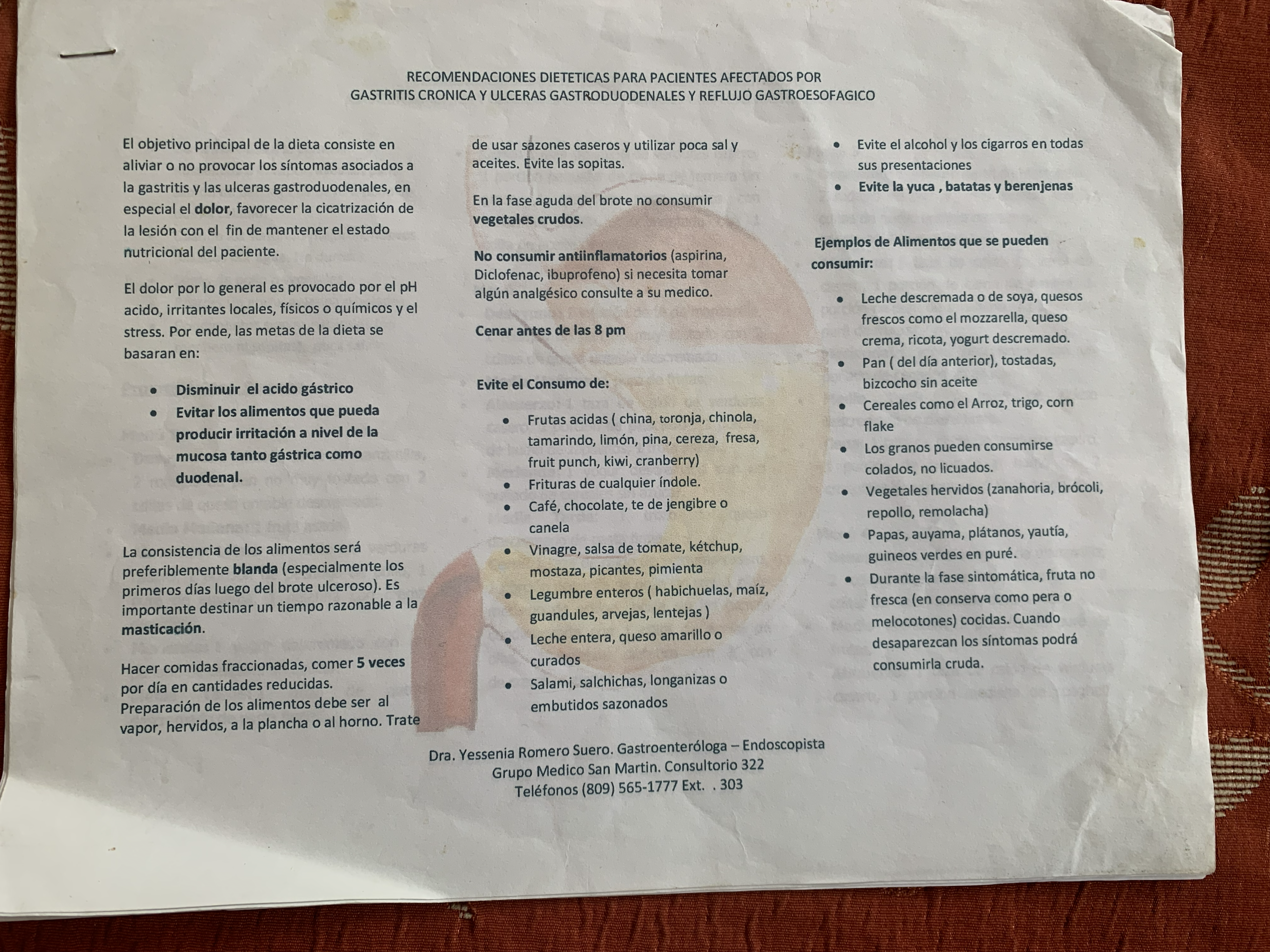
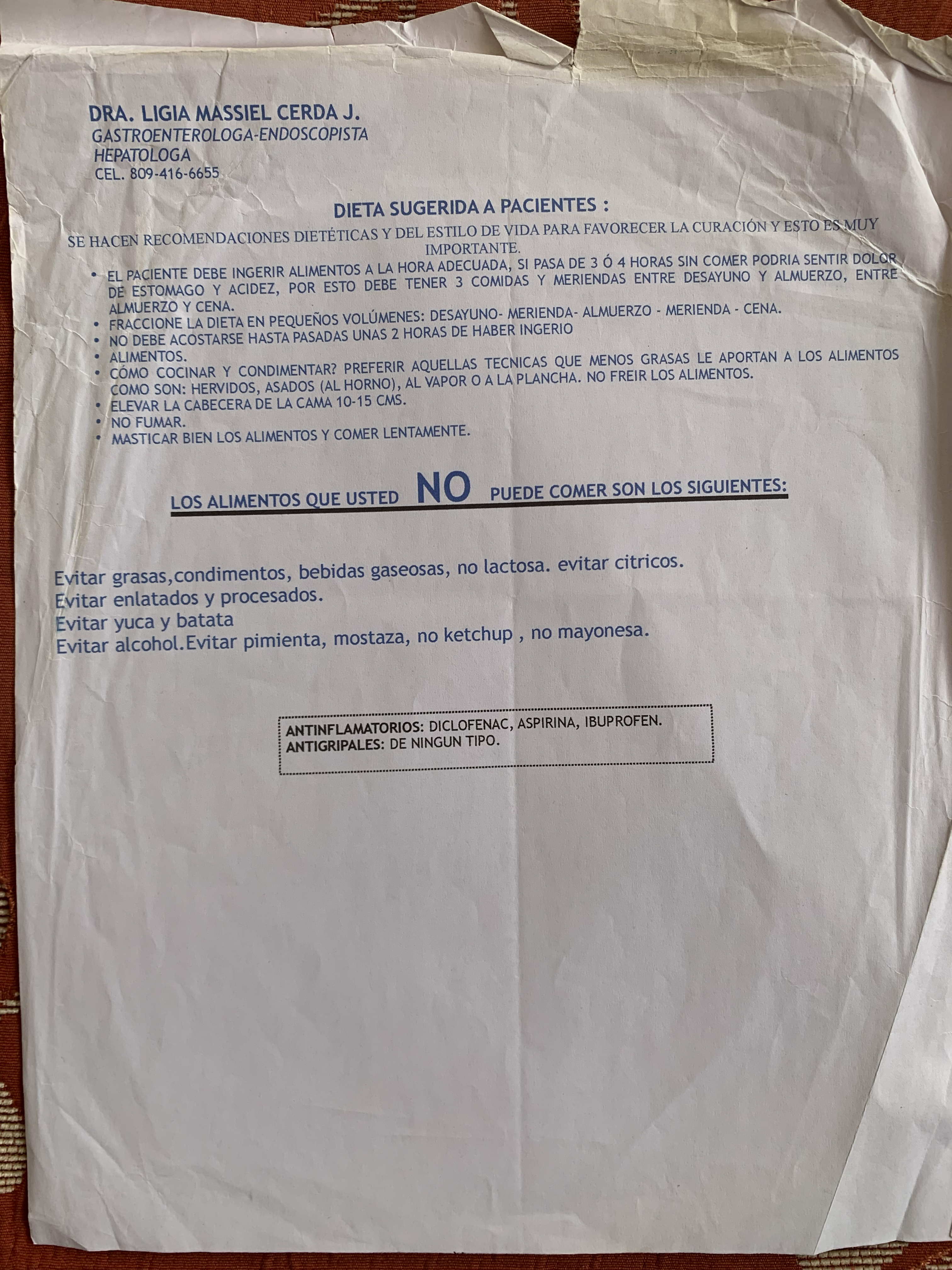
In the almost two years I went to doctors, the first advice was always the same — after prescribing antacids, you should have 5 meals per day.

Gastroenterology Consultation Notes
RX / DIET
FILE: 0012-G
2021 - 2023

Rx. Split food intake into five small meals per day.

Every single doctor told me the same thing.

It sounds reasonable, and here is why they recommend it:

  1. §1

    Reduce irritation

    Big meals stretch the stomach, increase pressure, and can worsen pain and reflux. Smaller meals mean less mechanical stress on the inflamed lining.

  2. §2

    Avoid acid spikes

    Large meals trigger a strong acid response. Smaller meals produce more moderate acid secretion, reducing the chance of a painful flare-up.

  3. §3

    Buffer the acid

    Food temporarily raises stomach pH, making it less acidic. For someone with burning and irritation, eating something can feel like instant relief.

  4. §4

    Empty-stomach pain

    Some gastritis patients feel worse when the stomach is empty - acid irritates the exposed, inflamed areas. Eating a little can temporarily ease that pain.

Signed Dr. ____________________ Date 03/2022
Source document - 2022 - 2023

The real prescription, in their handwriting.

This is one of the two diet sheets I was handed. Every doctor I saw for two years gave me some version of this list. You can zoom in on the original in the story - spacing, five-meal structure, and all.

How Everyday Habits Affect Your Stomach pH

Daily choices can disrupt or support stomach acid balance. Small, consistent habits create lasting digestive wellness.

Habits That Can Lead to Hypochlorhydria
Illustrated stomach with a red-to-green pH balance dial
Stomach pH Balance Optimal pH 1.5–2.5
Habits That Support Strong Acid Levels

Diet to Avoid Gastrointestinal Inflammation

When a food leaves you bloated or uncomfortable, it's natural to wonder what it is doing inside your gut. Sometimes the problem is that part of it isn't being digested. In other cases, a food can trigger an immune reaction or may change the bacteria living there. Those differences helped me make sense of the concerns about the foods below.

I explain the possible effects first, with the research linked at the end of each card. Some are well established, such as lactose intolerance and raw kidney-bean poisoning. Others are ideas being tested in animals, cells or small human studies. A symptom after eating and damage to the gut's lining are not always the same thing, and people can tolerate these foods differently.

1

Ultra-Processed Products

Cookies · Cakes · Pastries · Potato chips · Instant noodles · Candy · Soda · Packaged snacks · Donuts · Pizza · Breakfast Cereals

Packaged food often contains ingredients that keep it creamy, sweet, colorful or fresh for longer. Some of these ingredients can also affect the bacteria living in our intestines. The concern is what happens when those bacteria change, or when the gut's protective lining becomes less effective. Different additives work differently, so I looked at them one at a time.

Emulsifiers can affect the space between bacteria and the lining. Emulsifiers stop oil and water from separating in foods such as dressings and ice cream. Inside our intestines, a layer of mucus helps keep bacteria away from the living cells underneath. If bacteria move closer to those cells, the immune system has more reason to react. Two emulsifiers, carboxymethylcellulose and polysorbate-80, caused this kind of change in a mouse experiment, along with low-level inflammation and worse colitis in susceptible mice. Colitis is inflammation of the colon, the large intestine.

A thinner margin of protection could mean more irritation. The mucus layer is useful because we need gut bacteria without having them constantly crowding the intestinal surface. Changes in that community can also change the substances the bacteria make. One emulsifier, carboxymethylcellulose or CMC, has been tested in a small human feeding trial. People eating it had some changes in their gut bacteria and slightly more discomfort after meals; in two people, bacteria also moved closer to the lining. That short trial raised a concern, but it did not establish lasting inflammatory disease.

Sweeteners may change more than a food's sweetness. Some sweeteners reach gut bacteria, and changes in those bacteria may affect how the body handles sugar. That could mean a different blood-sugar response even though the sweetener itself supplies little or no sugar. A human trial found poorer glucose handling with saccharin and sucralose, with responses varying between people. Other sweeteners changed aspects of the bacterial community without the same glucose result. This is a possible effect on blood-sugar control, rather than evidence that every sweetener damages the stomach.

Preservatives can hold back some bacteria more than others. A preservative stops microbes from growing in food. If it affects gut bacteria unevenly too, it could leave some species with less competition and shift the balance. In laboratory tests, Bacteroides coprocola was about 580 times more sensitive to sodium nitrite than Enterococcus faecalis. That was a comparison between two particular bacteria, not a rule that preservatives kill all helpful bacteria. The amount reaching the gut after a meal also matters; these tests did not measure that.

Some colorings can set off immune reactions in experiments. The immune system responds when cells detect something potentially harmful. Tiny particles of titanium dioxide, a white coloring, activated one of these alarm systems in laboratory-grown cells and worsened colitis in mice already given a chemical that injured the colon. Gut bacteria can also break down dyes into other substances. Red 40 and Yellow 6 triggered colitis through this route in mice with an unusually active immune signal. These findings concern those particular conditions, rather than every person eating a colored food.

Ultra-processed foods and gut inflammation
2

Dairy Products

Milk · Cheese · Ice cream · Cream · Butter · Whey protein

As babies, we usually make plenty of lactase, the enzyme that breaks down lactose, the sugar in milk. Many of us make less of it as we grow older, which can make milk harder to digest. Others keep making enough throughout adulthood. Milk also contains proteins, including casein, that can cause problems for different reasons. Understanding which part is involved helps explain why two people can react very differently to the same glass of milk.

Undigested lactose can lead to gas, cramps and diarrhea. Lactase works in the small intestine, breaking lactose into smaller sugars we can absorb. When there isn't enough lactase, more lactose reaches the colon. Bacteria there feed on it and make gas, while the unabsorbed sugar draws extra water into the bowel. That combination can leave you bloated, crampy or needing the toilet. This is lactose intolerance: trouble digesting the sugar, rather than an immune attack on the gut. NIDDK explains this process in the sources below.

Casein may affect how food moves through the gut. Casein is a milk protein that digestion breaks into smaller pieces. One version, called A1 beta-casein, can release a fragment known as BCM-7. This fragment can attach to receptors, the receiving points on cells, involved in the contractions that move food along. Animal research suggests it can slow those contractions; slower movement is one possible explanation for discomfort. A small trial in adults who already reported milk intolerance found more symptoms and slower gut movement with mixed A1/A2 milk than with A2-only milk. The fragment's role in those human symptoms is still being investigated, and A2 milk still contains lactose.

Milk protein can also trigger an immune reaction. In someone with a milk allergy, the immune system reacts to milk proteins, which can include casein. That reaction can cause abdominal pain, vomiting or diarrhea, as well as symptoms elsewhere in the body. Removing lactose does not remove those proteins. There is also research into how diet affects the intestinal barrier: the closely joined cells that control what passes from the gut into the body. A diet using casein already broken into smaller pieces improved this barrier in diabetes-prone rats. Several parts of their diet differed, so that finding doesn't show that ordinary casein opens gaps in a person's gut.

Some families keep the ability to digest milk. Inherited gene variants can keep lactase production going after childhood. This is common in northern Europe and in some African and Middle Eastern populations with a long history of herding and drinking milk. Skin color cannot tell us how much lactase someone makes. One theory is that milk's calcium was especially useful where less sunlight meant less vitamin D. Vitamin D helps the body absorb calcium. It is a possible explanation for an inherited trait becoming more common over generations, rather than a person's body making lactase because it needs vitamin D. Genetic research documents the different populations; a later European study also points to famine and infections as possible forces behind the change.

Dairy products and gut inflammation mechanisms
3

Wheat & Gluten

Bread · Pasta · Cereal · Crackers · Pizza dough · Flour tortillas · Beer · Baked goods

The concern with wheat isn't only celiac disease. A component of gluten called gliadin can affect the seals between intestinal cells. Researchers have seen this response in tissue from people with and without celiac disease. That is the connection to zonulin shown in the illustration. Other wheat proteins can also affect immune cells, so it helps to understand the different parts of the grain.

Gliadin can trigger the release of zonulin. Gluten is a group of proteins that gives dough its stretch, and gliadin is one of its components. The cells lining our intestine sit next to each other, joined by seals called tight junctions. Zonulin is a protein that helps regulate those seals. In the pathway studied, gliadin prompts intestinal cells to release zonulin, which signals the junctions to loosen. More material can then pass between the cells; this is what increased intestinal permeability means. The linked cell and tissue study found this response in non-celiac samples too, although it was shorter and smaller than in celiac samples.

Looser seals can expose immune cells to more material. Beneath the intestinal surface are immune cells that help defend us. If more food fragments or bacterial material get through, those cells may react and release inflammatory signals. A barrier change alone doesn't tell us how much inflammation follows. In celiac disease, gluten also triggers an immune reaction that damages the small projections used to absorb nutrients. A later biopsy experiment found increased permeability in all four groups tested, including non-celiac controls. This supports a response beyond celiac disease, but the experiment did not show lasting injury in everyone after eating a meal.

Wheat's protective proteins can activate immune alarms. Plants make proteins called amylase-trypsin inhibitors, or ATIs, that help protect them against pests. Some ATIs can also activate a receiving point on immune cells called TLR4. When that alarm switches on, the cells release messages that call other immune cells into action. Repeated or excessive activation could contribute to inflammation. Researchers observed this response in human cells, intestinal samples and mice. That gives us a possible mechanism, but it does not show that every wheat meal causes this reaction in people.

Another wheat protein can stick to cell surfaces. Wheat germ agglutinin, usually shortened to WGA, belongs to a group of proteins called lectins. Lectins attach to certain sugars on cells. In laboratory experiments, WGA stimulated immune cells and, at higher concentrations, made a layer of intestinal cells less effective at holding substances back. A weaker barrier could allow more material to reach immune cells underneath. These were cells exposed directly to WGA in a dish; the experiment did not show the same damage after people ate ordinary cooked wheat.

Wheat gluten zonulin gut permeability
4

Whole Grains & Their Antinutrients

Oats · Barley · Whole wheat · Brown rice · Quinoa · Millet · Sorghum

Whole grains keep the outer bran and the germ, the part of the seed that can grow into a new plant. These parts contain fiber and nutrients, but also compounds that can bind minerals or make parts of a meal harder to digest. They are often called antinutrients. The name can sound alarming, so it helps to explain what each one actually does. Reduced nutrient absorption and inflammation are different problems.

Phytate can hold onto minerals in a meal. Phytate is a form in which plants store phosphorus. It can bind minerals such as iron and zinc while food is being digested, leaving less available for us to absorb. This can matter more when someone relies heavily on the same foods and already gets few of those minerals. It doesn't mean a grain scrapes or burns the intestinal lining. The linked review describes mineral binding and how preparation can change the amount of phytate.

Tannins can make protein and starch harder to break down. Tannins are plant compounds that can attach to proteins and interfere with digestive enzymes, the substances that break food into smaller pieces. If less food is broken down, less may be absorbed at that stage of digestion. But that does not automatically mean more gas or inflamed tissue. In a simulated digestion experiment, sorghum tannins reduced protein and starch digestion; the later fermentation stage also produced less gas and fewer fermentation products. It was a laboratory model, rather than a meal tested in people.

Saponins can interact with the covering around cells. Saponins are plant compounds that can behave a little like soap, which is why some make foam in water. Certain saponins can interact with cell membranes and make them easier for substances to cross. Oat saponins increased passage through isolated rat intestinal tissue in one experiment. But when the researchers tested live rats, they did not find the same increase in intestinal permeability. That difference matters: the tissue result alone cannot tell us that eating oats damages the gut.

Preparation changes what reaches the gut. Soaking, sprouting and fermentation can help break down phytate, while cooking can change other compounds and make starch easier to digest. The result depends on the grain and the method used. A fermented dough and an unprepared grain are different foods by the time we eat them. Research on these methods supports paying attention to preparation, but there isn't one reduction percentage that applies to all antinutrients or a guaranteed link between eating whole grains and gut injury.

Whole grain antinutrients phytic acid lectins
5

Dense Acellular Carbohydrates

White rice · Rice flour · Rice noodles · Rice cakes · Cornflakes · Processed starches · Pasta · Bread · Flours

Flour and many foods made from it contain a lot of carbohydrate packed into a small amount of food. One concern is that processing changes how easily gut bacteria can get at that carbohydrate. If it changes which bacteria thrive, it might also affect digestion and inflammation. This is the idea Ian Spreadbury explored in his paper. It remains a hypothesis about a chain of events, rather than a proven explanation for everyone's symptoms.

Processing removes some of the food's original structure. In a plant, much of the carbohydrate sits inside cells with walls around them. Milling grain into flour breaks many of those walls and releases their contents. Spreadbury called these carbohydrates acellular, meaning they are no longer enclosed in intact plant cells. This can leave more carbohydrate readily available to digestive enzymes and microbes. Cooking changes food structure too, so the difference isn't simply raw versus cooked, and there isn't a single carbohydrate percentage that makes a food safe or harmful.

More available fuel could favor different bacteria. Gut bacteria use the food available to them to grow. Spreadbury proposed that frequent meals of concentrated, exposed carbohydrate could favor a different bacterial community, including in the upper digestive tract. Some microbes might multiply more easily while others lose ground. As they break down carbohydrate, they produce gas and other substances. More fermentation in the wrong place could mean bloating, pressure and discomfort. This is the proposed bacterial step in his theory; it does not establish that eating flour causes small intestinal bacterial overgrowth.

Overgrowth can interfere with digestion as well as cause gas. When too many bacteria are present in the small intestine and cause symptoms, the condition is called SIBO. Bacterial activity there can contribute to bloating, abdominal pain and diarrhea, and in severe cases interfere with nutrient absorption. That can lead to weight loss or deficiencies, including vitamin B12 deficiency. These are recognized consequences of diagnosed SIBO, described in the clinical guideline below. Gas alone cannot identify it, and the guideline does not establish acellular carbohydrates as its cause.

Bacterial material could keep setting off immune alarms. Some bacteria carry a substance called LPS on their outer surface. The intestinal lining normally helps keep it on the gut side. If more gets across that barrier, immune cells can detect it through a receiving point called TLR4. They then send out signals that bring other immune cells into action. That is useful when the body needs to fight infection, but repeated stimulation can keep inflammation going. Spreadbury proposed that a changed bacterial community could increase this exposure. The complete path from acellular food to this inflammation in people is still unproven.

The proposed effects go beyond an uncomfortable belly. The gut sends messages to the brain through nerves, including the vagus nerve. Fat tissue also releases leptin, a hormone that tells the brain about stored energy and helps regulate appetite. Spreadbury suggested that ongoing bacterial inflammatory signals could make parts of this communication less responsive to leptin. If the messages become less effective, a person might eat more and gain weight. He also proposed links to insulin resistance, when cells respond less well to insulin and blood sugar becomes harder to control. These are possible wider consequences in his hypothesis, rather than established results of eating these foods.

Quickly digested carbohydrates may also bring hunger back sooner. This is a separate issue from the bacterial theory. Digestion turns starch into smaller sugars, and glucose enters the blood. Insulin helps cells use or store it. A quickly digested meal can cause a sharp rise, followed in some people by a larger dip. That later dip may leave them hungry sooner and reaching for more food. Wyatt's large human study linked appetite and earlier eating more closely to the dip two to three hours after a meal than to the initial spike. Lennerz's smaller meal trial also found more later hunger after a meal that raised blood sugar quickly. The response varies with the food, portion and person.

Food structure is only part of the picture. How much we eat and the rest of the diet also affect weight and digestion. Bacteria make substances as they ferment food, including butyrate, so changing the foods they receive can change those products without necessarily causing disease. In the human CARBFUNC trial, diets emphasizing cellular or acellular carbohydrates produced similar reductions in fat around the abdominal organs. A later report found some differences in stool butyrate and modest reflux improvement with the lower-carbohydrate diet, but no clear overall difference in bowel-symptom scores. Neither report demonstrated that acellular carbohydrates caused SIBO or inflammation.

Research sources Acellular carbohydrates—Spreadbury hypothesis Glucose dips and appetite—human study Meal glycemic index—small crossover trial SIBO—clinical guideline CARBFUNC—human body-fat trial CARBFUNC—digestive outcomes The bacterial pathway is still a hypothesis. The SIBO, appetite and CARBFUNC sources address separate parts of this explanation.
Acellular vs cellular carbohydrates inflammation
6

Legumes & Their Antinutrients

Beans · Lentils · Chickpeas · Peanuts · Soybeans · Kidney beans

Beans, lentils and soy can cause digestive trouble for different reasons. Some carbohydrates make gas when bacteria break them down. Other compounds can interfere with digestion, especially in raw or poorly prepared beans. Raw kidney-bean poisoning is a clear example, but it should not be confused with the bloating someone might feel after a serving of cooked beans.

Raw kidney beans contain a lectin that can cause poisoning. Lectins are proteins that attach to particular sugars on cells. Kidney beans contain one called phytohemagglutinin, or PHA. If enough active PHA is eaten, it can cause nausea, vomiting, abdominal pain and diarrhea. Raw-bean experiments in rats also found poorer nutrient absorption and bacterial overgrowth in the small intestine. A UK report recorded 50 suspected poisoning incidents, nine confirmed by testing. These concerns are about raw or inadequately cooked kidney beans, rather than the same exposure from properly cooked beans.

Some soybean compounds get in the way of protein digestion. The pancreas supplies an enzyme called trypsin that helps cut protein into smaller pieces. Soybeans contain proteins called trypsin inhibitors that block some of that activity. If the inhibitor stays active, protein digestion becomes less efficient and the pancreas may respond by making more digestive enzymes. A rat feeding experiment found a larger pancreas and increased enzyme-production measurements with more active soybean inhibitor. It doesn't establish that a normal serving of cooked soy causes pancreatic damage in people.

Saponins can affect the surface around cells. These plant compounds can interact with cell membranes, the thin coverings that help control what goes into and out of a cell. Certain saponins can make substances pass through intestinal tissue more easily, raising a question about barrier protection. An isolated-intestine experiment found that some did this much more than others; soybean saponins had much less effect. Direct contact with tissue in a laboratory is different from digesting cooked beans, and this experiment did not show permanent holes in people's intestines.

Some bean carbohydrates become food for bacteria. We don't fully digest certain small chains of sugars in legumes. They pass into the colon, where bacteria break them down and release gas. That can leave you bloated or uncomfortable, especially after more than you usually tolerate. This process is fermentation, a normal part of what gut bacteria do. It can cause unpleasant symptoms without showing that the lining is inflamed. NIDDK explains this connection between undigested carbohydrates, bacteria and gas.

Proper preparation removes the raw-kidney-bean risk. Heat destroys the dangerous lectin when the beans are prepared correctly. For raw kidney beans, the FDA advises soaking them for at least five hours, throwing away that water, then boiling them in fresh water for at least 30 minutes. A slow cooker should not replace that boiling step because it may not get hot enough. Canned kidney beans have already been processed. Soaking and cooking can also change other compounds in legumes, although the amount reduced depends on the food and method.

Legume antinutrients lectins protease inhibitors
7

Seed Oils & Inflammatory Fats

Soybean oil · Corn oil · Sunflower oil · Canola oil · Safflower oil · Cottonseed oil · Grapeseed oil

The concerns about seed oils involve what happens to the oil during processing, repeated frying and digestion. Some breakdown products can put strain on cells or stimulate immune activity. The research reaches beyond the gut to blood vessels, fat tissue and the liver, although much of it comes from animal experiments. The oil used and the way it was treated matter to the explanation.

High-temperature refining can create unwanted compounds. Oil is extracted from seeds, then cleaned and often heated to remove odors. Some methods use a solvent that is removed afterward; its use alone doesn't tell us dangerous residues remain. A separate concern is the formation of glycidyl esters and 3-MCPD esters during high-temperature processing. Digestion can release glycidol from the first group. Glycidol can damage genetic material and caused cancer in animal tests; 3-MCPD caused kidney effects in animals. EFSA identified these as processing contaminants to control, with the highest levels in palm oils and fats, rather than exclusively in seed oils.

Some fats can break down into compounds that stress cells. Linoleic acid is an omega-6 fat found in many seed oils. It can react with oxygen and change, a process called oxidation. Some of the resulting substances can react with proteins or alter the messages cells send. One is called 4-HNE; others are grouped under the name oxidized linoleic acid metabolites, or OXLAMs. These names appear in the studies below because researchers have examined how these products affect cells and immunity. Their formation depends on the conditions, rather than every use of linoleic acid producing the same effect.

Repeated frying gives oil more opportunity to break down. Heat and oxygen change oil over time. Reusing it for several rounds of frying can allow reactive breakdown products to build up, including compounds called aldehydes that can interact with cell proteins. This is one reason repeatedly heated oil raises concerns about cell stress and inflammation. Several of the adverse findings below involve deliberately reused oil. They describe a different exposure from opening a fresh bottle or cooking with it once.

Changes in gut bacteria could weaken intestinal protection. Some bacteria can use linoleic acid as fuel. If an oil-rich diet favors bacteria that get close to the intestinal lining, the barrier may become less effective and inflammation easier to trigger. This was a concern in mice fed a high-fat diet rich in soybean oil. Their gut community changed, including expansion of a strain of E. coli associated with inflammatory bowel disease, and their lining allowed more material through. They were also more susceptible to colitis, inflammation of the colon. This was an intestinal finding in mice, rather than a demonstration of human stomach inflammation.

Reused oil may affect the walls of blood vessels. When a vessel wall becomes more inviting to immune cells, those cells can attach and contribute to inflammation there. Reactive oil breakdown products are one possible contributor to this process. Rats fed soybean oil heated five or ten times for six months developed higher blood pressure and more proteins that help immune cells attach to the main artery. The artery also showed tissue changes. The adverse pattern concerned repeatedly heated oil in that experiment; fresh oil did not produce the same pattern.

Fat tissue can become a site of immune activity. Body fat contains immune cells as well as cells that store energy. A fat breakdown product such as 4-HNE can change signals on a cell's surface, potentially drawing an immune response. In a 2024 experiment, a linoleic-acid-rich high-fat diet increased activity of a particular group of immune cells in mouse fat tissue compared with a diet rich in stearic acid, a saturated fat. Related cell experiments linked 4-HNE to a protein appearing on the cell surface that helped stimulate those immune cells. This supports a possible mechanism under those conditions, rather than proving that an ordinary meal causes inflamed fat tissue in people.

Alcohol can make the liver more vulnerable. The liver handles alcohol, and this can create reactive substances that strain its cells. If fat breakdown adds to that strain, the liver's defenses may struggle to keep up, allowing injury and inflammation. In one mouse experiment, a corn-oil-rich diet alongside alcohol exposure produced more liver injury and inflammation than a saturated-fat diet alongside alcohol. The animals also received an alcohol binge. The finding suggests that the dietary fat influenced alcohol-related injury; it does not show that corn oil caused the same liver damage on its own.

Diet can change the breakdown products measured in people. Researchers can look for these products in blood or urine to see how much fat oxidation is taking place. They are clues about a chemical process, rather than a diagnosis of inflammation. A controlled-diet study found an increased urine oxidation marker after a linoleic-acid-rich diet compared with the earlier saturated-fat diet. It did not find a significant difference from a diet rich in oleic acid, the main fat in olive oil, or a change in the measured vessel-inflammation marker. A separate intervention in people with chronic headaches found fewer blood OXLAMs after lowering dietary linoleic acid. These measurements alone don't establish clinical disease from seed oils.

Seed oils linoleic acid omega-6 inflammatory eicosanoid pathway

A personal note

How cereals were quietly worsening my SIBO and Oily Face.

Remove the fuel, and the symptom — even one that lasted two years — disappears within weeks.

The cause & effect

Rice & cereals

Dense carbs the gut can’t fully handle

SIBO bacteria

Overgrown in the small intestine

Fermentation

Starch becomes gas & metabolites

Excess sebum

A downstream skin effect

Oily face

For two whole years

Remove the fuel

No cereals

Rice, oats, bread — paused

Nothing to ferment

Bacteria starve, stop producing

Dry skin

Within less than a month

— in under 30 days.

Personal story Read the full personal note The story behind rice, cereals, SIBO, and my oily face.

Personal note

A Personal Note on Rice, Cereals, and SIBO

Remember how I mentioned having an extremely oily face — so oily that I had to carry napkins with me everywhere I went just to wipe it off? That lasted for almost two years.

A few months before I tried the supplements that finally helped my gastritis, the same person who recommended them also suggested that I stop eating rice and cereals. They explained that these foods can be inflammatory for some people and may contribute to bacterial overgrowth.

I decided to give it a try so that nothing would interfere with my healing process. In less than a month after quitting rice, my face stopped producing excess oil completely. No more napkins.

Looking back, I strongly suspect that SIBO (Small Intestinal Bacterial Overgrowth), dysbiosis, or some kind of gut imbalance was involved. I cannot prove that rice alone was the cause, but in my case, removing it made a dramatic difference.

My theory is that the dense carbohydrates from the rice and cereals were fueling a disturbed gut environment. If there was bacterial overgrowth in my small intestine, those carbohydrates likely contributed to fermentation and inflammation. At the same time, high-carbohydrate or high-glycemic foods can also affect blood sugar, insulin, and sebum (skin oil) pathways, which may explain why my face changed so noticeably after I removed them.

That experience made me wonder if my gut had been imbalanced long before I ever suffered from gastritis. If that was already going on, then taking acid-suppressing medications probably made the situation even worse.

The takeaway from all of this: while you have gastritis, do not consume:

  • Any form of ultra-processed foods
  • Cereals or grains of any kind
  • Dairy of any kind

Foods That Irritate an Inflamed Stomach

These foods can bother you in different ways when your stomach is already sensitive. Some can irritate or injure the lining, while others bring on reflux, fullness or gas. The foods that trouble one person may be fine for another. A meal can also change stomach pH for a while, but that is different from ongoing low stomach acid, or hypochlorhydria.

Tomato reductions and sauces
01

Tomato Reductions


Tomato sauces can bring on heartburn or reflux because tomatoes are acidic. Oil, chili and other ingredients in the sauce may add to the discomfort. The meal and your own tolerance matter, so one bad reaction does not mean every tomato dish will affect you the same way.

Read all panels
A glass of alcohol
03

Alcohol


Alcohol can irritate and injure the stomach lining. A human experiment found surface damage after direct exposure to several alcoholic drinks and alcohol solutions. The strength of the drink and how much you have both matter, so the drink's name alone does not tell the whole story.

Spicy foods
04

Spicy Foods


Chili gets its heat from capsaicin, which activates nerves that sense heat and pain. If your digestive tract is sensitive, a spicy meal can feel as though it is burning inside. The amount and your tolerance matter. Burning alone does not tell you whether the lining is damaged.

Liquid dairy products
06

Liquid Dairy


Milk can stimulate stomach acid production, partly because it contains protein and calcium. It can also cause gas, bloating or cramps if you struggle to digest lactose, the sugar in milk. Those are different problems, which helps explain why the same drink can feel fine to one person and uncomfortable to another.

Chocolate
08

Chocolate


Chocolate can bring on reflux. In a study of people with an inflamed esophagus, chocolate increased the time acid was present there after a meal. That can mean heartburn without a new injury inside the stomach. How much you eat and your own tolerance still matter.

Peanuts
09

Peanuts


Peanuts are rich in fat, so a large serving may feel heavy if fatty foods already bring on fullness or indigestion for you. Spicy coatings can add to the discomfort. A handful is not automatically a problem; how they are prepared and how much you eat can make a difference.

Baked goods
10

Baked Goods


Bread and pastries can bother you for different reasons. Wheat contains fructans, carbohydrates that can produce intestinal gas in sensitive people. Rich pastries may also contain plenty of fat or lactose. The ingredients and portion size matter, rather than every kind of bread having the same effect on stomach acid.

Foods To Support Gut Health

Food gives the digestive system the materials it needs to keep working: protein to make and replace cells, vitamins and minerals to help those cells do their jobs, and fiber that some gut bacteria can use. These are the benefits I want to explain here. Some are well-established parts of nutrition; others come from experiments asking whether a particular food or compound might help with inflammation. A useful food still has to fit what your stomach can tolerate at the time.

The stomach, small intestine, and colon also do different jobs, so it matters where a benefit was measured. A food that helps bowel movements or feeds bacteria in the colon has not necessarily been shown to heal gastritis. The seven categories below cover those different kinds of support, with the research behind each explanation. They give us ways to nourish the gut, rather than a list of foods that can undo every problem in the previous section.

Timing matters: some repair foods may need to wait.

Fruit, leafy greens, cruciferous vegetables, and sweet potatoes can be genuinely helpful later, but they were not always gentle for me while my stomach lining still felt inflamed. Active gastritis can make meals feel heavy, full, and bloated even before the low-acid/SIBO layer enters the picture.

My safer rule now would be: calm the lining first, improve acid and motility second, then test sweeter fruits, raw greens, and larger servings slowly. Start with small portions, cooked vegetables, and lower-FODMAP choices; if gas, bloating, reflux, or dizziness flares, treat that as a timing signal, not proof the food is unhealthy.

1

Meat — Grass-Fed & Pasture-Raised

Beef · Lamb · Bison · Venison · Liver · Heart · Bone broth

Meat provides protein, zinc, and B12, while liver adds a concentrated source of vitamin A. Those nutrients matter because the digestive system needs to maintain its cells just like the rest of the body. What the animal eats can change the meat's fat content: a small human trial found more omega-3 fats in the blood of people eating grass-fed beef and lamb. That trial did not measure gut healing, so the grass-fed label alone cannot tell us what a food will do for gastritis.

Protein supplies material for new cells. When you digest meat, you break its protein into smaller pieces called amino acids. Your body uses these to make its own proteins, including those needed to replace worn cells and maintain the intestinal lining. One amino acid, glutamine, also provides fuel for many intestinal cells, alongside other energy sources. This is why getting enough protein matters when tissue needs to maintain itself or recover from injury. A review of glutamine research describes how intestinal cells use it for fuel, growth, and maintaining the barrier.

Bone broth contributes amino acids, but the amount varies. Collagen is a protein that gives structure to skin, tendons, and other connective tissue. Cooking those tissues in water can release gelatin, a form of collagen, into broth. Digestion then breaks it down into smaller pieces and amino acids, including glycine and proline, which the body can use to make proteins. Those nutrients contribute to the diet, but they do not travel straight to a damaged intestinal seal and patch it up. An analysis of bone broths found widely varying amounts of collagen-related amino acids, often below those supplied by the collagen supplement used for comparison.

Zinc helps cells maintain and repair themselves. Beef and other meats can supply zinc, a mineral your body needs to make proteins and DNA, the instructions inside cells. Both are needed when cells divide or tissue repairs an injury. Zinc also helps the immune system work and supports normal wound healing. It does these jobs throughout the body, including tissues involved in digestion. The NIH's zinc guidance describes these nutritional roles; eating more zinc is not an established way to restore low stomach acid.

Liver supplies vitamin A and B12. Liver contains a form of vitamin A that your body can use directly, without first converting a plant pigment. Vitamin A helps maintain the cells that cover body surfaces and line organs, and it supports normal immune function. B12 helps make DNA and healthy red blood cells, which carry oxygen to tissues. These are ongoing needs, whether or not the digestive tract is injured. NIH food tables identify liver as a concentrated source of both vitamins.

Grass-fed meat gut healing glycine glutamine zinc
2

Wild-Caught Fish

Salmon · Sardines · Mackerel · Herring · Anchovies · Shellfish

Fish brings together protein and several nutrients that help cells and the immune system work. Fatty fish such as salmon, sardines, and mackerel also supply omega-3 fats, and some are useful sources of vitamin D. Shellfish contribute minerals such as selenium. Here is how those nutrients contribute to the body, including the digestive system.

Omega-3 fats help the body make signals that settle inflammation. EPA and DHA are two omega-3 fats found in fish. The body can turn them into small chemical messengers, including some called resolvins, that help bring an inflammatory response toward its end. These messages can limit the arrival of more immune cells and calm some of the chemical signals calling those cells into action. This gives the body a way to wind down a response after it has done its job. Experiments in mice and human cells, including pathways triggered by aspirin, identified these omega-3-derived signals and their effects on inflammation; the work studied those signals rather than fish meals.

Vitamin D helps immune cells and the intestinal lining work normally. Fatty fish are among the foods that supply vitamin D. Immune cells use it to help regulate their responses, and research has also investigated its role in the intestinal barrier. That barrier includes seals between neighboring cells, which help control what passes through the lining. In a small trial of 27 people whose Crohn's disease was in remission, measures of how easily material passed through the gut lining stayed stable within the vitamin D supplement group over three months, while some increased within the placebo group. This suggests a possible role in barrier maintenance, though the trial did not establish a clear improvement between the groups and tested supplements rather than fish.

Protein and B12 support the cells doing the work. Fish protein is broken down into amino acids that the body uses to make new proteins. Those proteins become parts of cells, enzymes that help digestion, and other working tissues. Fish also provides B12, which helps cells make DNA and supports red blood cells and the nervous system. Together, these nutrients contribute to cell renewal and the body's day-to-day work. MedlinePlus describes protein's role in making and repairing cells, while NIH food tables identify fish as a source of B12.

Selenium helps enzymes limit certain kinds of cell damage. Fish and shellfish can supply selenium, a mineral used to build several protective enzymes. An enzyme is a protein that helps a chemical reaction happen. One selenium-dependent enzyme, glutathione peroxidase, uses a substance called glutathione to help neutralize peroxides, reactive compounds that can damage cells when they build up. This is part of the body's normal way of keeping these reactions under control. Getting enough selenium helps the body keep making those enzymes, as the NIH's nutrition guidance explains.

Wild-caught fish omega-3 resolvins vitamin D gut healing
3

Pasture-Raised Eggs

Whole eggs · Egg yolks (the critical part)

Eggs provide protein, and the yolks add choline, fat, and modest amounts of vitamins A and D. Those nutrients help with ordinary cell maintenance and immune function. The useful point is what a whole egg contributes to a meal, rather than treating its yolk as a medicine for the gut.

Choline helps make cell membranes and a component of protective mucus. Egg yolks supply choline, which the body uses to make phosphatidylcholine, a fat-like substance that forms part of cell membranes. Those membranes surround cells and help control what enters and leaves them. Phosphatidylcholine is also found in the protective mucus of the colon, where it helps create a water-repelling surface. That makes choline relevant to normal gut maintenance, although the body still has to digest the food and use its nutrients. A review describes phosphatidylcholine's role in colon mucus, while a rat experiment found that giving phosphatidylcholine before an inflammatory challenge helped preserve stomach and small-intestinal barrier measurements.

Egg protein helps maintain and replace tissue. Both the white and the yolk contain protein. During digestion, it is broken down into amino acids that your body can reuse to make its own proteins. These help form new cells and maintain tissues, including the lining of the digestive tract. They also become enzymes and other substances that keep the body working. Eggs are one way to get that supply, alongside fish, meat, and other protein foods.

The yolk adds vitamins A and D along with fat. Vitamin A helps maintain surface-lining cells and normal immune function, while vitamin D helps regulate immune responses. Egg yolks supply some of each, though the amounts are modest compared with richer sources such as liver for vitamin A or fatty fish for vitamin D. These vitamins are fat-soluble, meaning they are absorbed along with dietary fat. The yolk provides fat as well as the vitamins, so these nutrients arrive together in the food. The amount varies with the hen's diet and other conditions, so a pasture-raised label does not guarantee a fixed vitamin content.

Pasture-raised eggs choline phosphatidylcholine mucus barrier
4

Fruits

Berries · Papaya · Pineapple · Pomegranate · Citrus · Bananas

Whole fruit gives you more than its sugar: it also brings water, fiber, vitamins, and plant compounds. Some of those help bowel movements, while others support normal tissue maintenance. Its structure can also affect how filling it feels. Those are useful benefits to understand without assuming that every fruit suits an irritated stomach at every stage.

Plant compounds may help limit damaging reactions in cells. Berries and other fruits contain plant compounds called polyphenols, including pigments that give many fruits their color. Some can affect reactions involving oxygen that, when excessive, can damage fats, proteins, and other parts of cells. That imbalance is called oxidative stress, and it can occur alongside inflammation. Researchers are interested in whether fruit's mixture of these compounds and other nutrients can help reduce that strain. A human evidence review found lower levels of some inflammation markers with fruit or vegetable intake, including CRP, a blood protein that rises during inflammation; those measurements did not demonstrate healing of gastritis.

Fiber and water help with bowel movements. Fruit supplies fiber, the parts of plant food that your digestive enzymes do not fully break down. Some fibers hold water and help keep stool softer, while others add bulk. Fruit's water also contributes to the fluid available as food moves through the bowel. Together, enough fiber and fluid can make stool easier to pass, particularly when constipation is the problem. NIDDK includes fruit among the fiber sources it recommends for constipation.

Whole fruit can keep you fuller than juice. A whole piece of fruit keeps its fiber and much of its plant structure, and you have to chew it before swallowing. That takes time and changes how the food is eaten compared with drinking its juice. Juice is easier to consume quickly and usually provides much less fiber, though this does not automatically make it harmful. In a meal experiment with 58 adults, eating a whole apple before lunch produced greater fullness and lower total meal intake than applesauce or juice. Even adding fiber back to the juice did not reproduce the whole apple's effect, suggesting that the food's form matters too.

Vitamin C helps make collagen and absorb iron from plant foods. Citrus, berries, and several other fruits supply vitamin C. The body needs it to make collagen, a structural protein that helps hold tissues together and supports normal wound healing. Vitamin C also helps you absorb non-heme iron, the form found in plant foods, when they are eaten together. That can be useful when a meal includes vegetables or other plant sources of iron. How much extra iron is absorbed depends on the food and the rest of the meal.

Fruits polyphenols Nrf2 pathway berries bromelain gut health
5

Vegetables

Broccoli · Cabbage · Garlic · Onion · Spinach · Kale · Sweet peppers

Vegetables provide different kinds of support depending on what is in them. Their fibers can feed bacteria in the colon, and their vitamins and minerals help cells carry out everyday jobs. Some plant compounds have also been studied for specific effects, including a broccoli-sprout experiment involving H. pylori. That is worth explaining carefully, because a finding about one preparation does not apply equally to every vegetable.

Broccoli sprouts contain compounds studied against H. pylori. Chopping or chewing broccoli sprouts brings a plant enzyme into contact with a stored compound, helping form sulforaphane. This substance can interfere with H. pylori in experiments and help cells respond to damaging chemical reactions. H. pylori is a bacterium that can infect the stomach and cause inflammation, which makes this research relevant to gastritis. In a trial of 48 infected people, 70 grams of broccoli sprouts daily for eight weeks lowered breath and stool markers of the infection and blood markers linked to stomach inflammation compared with alfalfa sprouts. The measurements returned to their original levels two months after stopping, so the trial did not establish eradication or show what an ordinary serving of cabbage would do. Experiments in infected mice on a high-salt diet also found less stomach injury, with protection depending on part of the cells' antioxidant response.

Some fibers give gut bacteria food they can share. Garlic and onions contain fibers such as inulin that our digestive enzymes cannot fully break down. These reach the colon, where bacteria can use them as food; fibers used in this way are often called prebiotics. Different microbes do different jobs, so one may break down a fiber and release substances another can use. This cooperation can produce small fatty acids, including acetate and sometimes butyrate, depending on the bacteria and the fiber. In a human trial of inulin in adults with mild constipation, some bacterial groups changed, and a decrease in one group was linked with softer stools, but the substances measured in the stool did not significantly change. That supports an effect on the bacterial community without promising that every prebiotic will increase butyrate.

Vegetables also supply vitamin C for tissue maintenance. Sweet peppers and broccoli are among the vegetables that provide vitamin C. Your body uses it when making collagen, the protein that helps give tissue its structure. That is part of normal maintenance and wound healing throughout the body, including tissues involved in digestion. Vitamin C also helps absorb iron from plant foods eaten in the same meal. Vegetables provide another way to meet this need, alongside fruit.

Folate and magnesium help cells renew themselves and use energy. Leafy greens can supply folate, which cells need to make DNA before they divide. The intestinal lining regularly replaces cells, so it shares that need with other growing and renewing tissues. Greens also contribute magnesium, a mineral used in reactions that release energy and make proteins. These jobs help cells carry out normal work rather than acting as a special repair treatment. NIH guidance describes folate's role in cell division and magnesium's role in energy and protein production, which is the practical nutritional connection here.

Cruciferous vegetables sulforaphane prebiotic fibers gut health
6

Tubers — The Ancestral Carbohydrate

Sweet potatoes · Yams · Cassava · Taro · Potatoes (cooked & cooled)

Tubers provide starch for energy, along with varying amounts of fiber, vitamins, and minerals. Most starch is digested in the small intestine, but some can reach the colon and feed bacteria there. Preparation can change how much starch takes that route. Orange sweet potatoes also supply a pigment the body can turn into vitamin A.

Resistant starch reaches bacteria in the colon. Some starch escapes digestion in the small intestine, which is why it is called resistant starch. It reaches the colon, where certain bacteria have the tools to break it down. One of them, Ruminococcus bromii, can help open up starch that other microbes have trouble using on their own. As it breaks the starch apart, it makes material available to those other bacteria too. Laboratory work with human gut bacteria showed this cooperation, including improved starch breakdown when R. bromii was added to a sample that had been poor at fermenting it.

Other bacteria can turn that food into butyrate. Once starch is broken down, other bacteria can use the available material to make butyrate, a small fatty acid. Cells lining the colon use butyrate as an important fuel. That energy helps them do their normal work, including maintaining the barrier between the bowel contents and the tissue beneath. R. bromii helps the process by making starch accessible; it does not itself produce butyrate. Cell and mouse experiments have linked butyrate use with better barrier function, giving a reason to study this chain without turning a potato meal into a proven treatment.

Cooking and cooling can change how much starch resists digestion. Cooking changes starch so that much of it becomes easier to digest. As cooked starch cools, some of its chains can settle into a more tightly packed arrangement that digestive enzymes have a harder time reaching. This can increase resistant starch, but the amount depends on the food and how it is prepared. An analysis of several potato varieties found more resistant starch in chilled potatoes than in hot or reheated ones, and more in baked potatoes than boiled ones. That is a measured change in the food, rather than a guarantee that every tuber or repeated cooking-and-cooling cycle will produce the same benefit.

Orange sweet potatoes provide a source of vitamin A. Their orange color comes partly from beta-carotene, a plant pigment your body can convert into vitamin A. This vitamin helps maintain the cells lining organs and supports normal immune function. Those jobs matter for the gut as well as other parts of the body. The amount you get depends on the portion, the variety, and how much beta-carotene your body converts. The NIH's food tables list sweet potatoes as a rich source of this vitamin.

Tubers resistant starch butyrate Ruminococcus bromii gut health
7

Monounsaturated Fats — Olive Oil & Avocado

Extra virgin olive oil · Avocado · Avocado oil · Olives

Olive oil and avocado supply fat that gives meals energy and helps absorb certain nutrients. Extra virgin olive oil also contains plant compounds, while whole avocado adds fiber that its oil does not contain. Some studies examine those foods as part of a diet; others test an isolated compound in cells or animals. Keeping those differences clear helps explain the possible benefits without promising direct stomach protection.

Oleic acid is part of the food, and the whole diet matters. Oleic acid is the main fat in olive oil and avocado and belongs to a group called monounsaturated fats. Like other dietary fats, it supplies energy and helps the body absorb fat-soluble vitamins. A meal can also contain vegetables, fruit, fish, and other foods whose effects work together, so a dietary pattern tells us more than an isolated fat label. In a trial involving people at high cardiovascular risk, a Mediterranean diet supplemented with olive oil was associated with reductions in several blood markers related to inflammation in blood vessels. The participants changed their overall diet, so that result cannot be attributed entirely to oleic acid or extended to healing gastritis.

Oleocanthal can affect enzymes involved in inflammation. Extra virgin olive oil contains oleocanthal, one of the plant compounds associated with its peppery sting. Laboratory experiments found that it could inhibit two enzymes called COX-1 and COX-2. These enzymes help make chemical signals involved in inflammation and other body functions. The finding gives researchers a possible explanation for some of olive oil's effects, but the amount in food varies and enzyme tests do not tell us the clinical effect of a meal. The original research compared the compound's activity with ibuprofen in the laboratory, rather than establishing olive oil as an equivalent medicine dose.

Hydroxytyrosol has been studied for protection against cell stress. Hydroxytyrosol is another olive-derived compound that can help limit certain damaging reactions involving oxygen. When these reactions overwhelm a cell's defenses, they can damage its fats and proteins; this is called oxidative stress. In experiments, hydroxytyrosol can also affect the cell's own protective responses, which is one reason researchers have studied it during inflammation. A mouse study used isolated hydroxytyrosol in animals given a chemical that causes colitis, inflammation of the colon, and found less inflammation along with changes in barrier proteins and gut bacteria. Those mice received measured doses of the compound, so the findings leave open what the smaller, variable amount in an olive-oil meal would do.

Whole avocado adds fiber for gut bacteria. Avocado's flesh contains fiber as well as fat. Some of that fiber reaches the colon, where bacteria ferment it, meaning they break it down for their own use. This produces small fatty acids such as acetate, which other microbes can use to make butyrate, the fuel for colon cells discussed in the tuber card. Avocado oil supplies fat, but it does not contain the whole fruit's fiber. In a twelve-week trial, adults with overweight or obesity received meals with or without whole avocado, with the meal calories matched. The researchers reported more acetate in the stool and changes in bacterial diversity and some fiber-fermenting groups; those bacterial changes need confirming, and the trial did not test whether avocado helps gastritis.

Heat changes some of olive oil's plant compounds. The amount of plant compounds in extra virgin olive oil is not the same before and after cooking. Heat can break down or change some of them, and temperature matters. Adding some oil after cooking is one way to include it without that exposure to heat. In a study designed to mimic home sautéing, one olive oil had fewer total polyphenols after heating, with a larger drop at 170°C than at 120°C. That experiment measured changes in the oil's composition, rather than proving that cooked olive oil harms the gut or ranking cooking oils by their effects on health.

Meal fat helps absorb some plant pigments. Carotenoids are pigments in foods such as carrots, tomatoes, and leafy greens; some, including beta-carotene, can be used to make vitamin A. They dissolve in fat, which helps them enter the small packages that carry fat through digestion and toward absorption. Including fat in the meal can therefore help your body take up more of these compounds. A small human meal study found greater absorption of several carotenoids from salad or salsa when avocado or avocado oil was included. The benefit measured was nutrient absorption, so it explains a useful way foods work together without showing that the meal healed the intestinal lining.

Extra virgin olive oil avocado monounsaturated fats oleic acid gut health

Why Healthy Foods Can Make You Worse

You may find it surprising that I listed sweet potatoes as a healthy food in the previous section, especially since they caused me bloating and dizziness. They were not the only ones. Sweet fruits (like mangoes, ripe bananas, dried fruit, and even apples) and green leafy vegetables (like raw spinach, kale, cabbage, and broccoli florets) can do the same thing when the gut environment is already disturbed. I understand this in two layers now: first, active gastritis itself can make meals feel heavy, full, and bloated because the stomach lining is still inflamed and reactive; second, when low acid and SIBO are also part of the picture, the same foods can become fermentation triggers. The problem was never that these foods were bad. The problem was timing, tolerance, and where they were being broken down.

For me, the next layer was in my stomach: hypochlorhydria, which simply means low stomach acid. In my case, this happened after taking PPIs (though keep in mind that dense carbs and ultra-processed foods can cause SIBO, too). When stomach acid is too weak, bacteria that should normally be destroyed can survive and move into the small intestine. That leads to SIBO. Once those bacteria are in the wrong place, they start feeding on foods that should have been helpful — the fructose in sweet fruit, the fermentable fibers in greens, and the mannitol and starches in larger servings of sweet potatoes.

That is the chain reaction I wish I had understood earlier: Antacids → Low Acid → Bacteria Survive → Fermentation in the Wrong Place → Symptoms After Healthy Food. The food was not the enemy. The broken environment was. If fruit, leafy greens, or starchy vegetables suddenly make you feel worse, it may be a sign that your small intestine is overloaded with bacteria that should not be there.

How Low Stomach Acid Turns Healthy Foods Into Symptom Triggers

The simple chain: low acid → SIBO → FODMAP reactions

1

Your Stomach Acid Is Your First Line of Defense

Acid barrier failure

Your stomach acid is not just there to digest food. It also works like a security gate. When it is strong, around pH 1.5 to 3.5, it helps kill most of the bacteria that arrive with food and water before they can travel deeper into the gut.

The gate starts failing around pH 4.0. Once stomach acid rises above that level, bacteria survive much more easily. That is why long-term acid suppression can be a problem for some people. Drugs like omeprazole and other PPIs are designed to raise stomach pH, but when pH stays higher for too long, the stomach loses part of its built-in protection.

Hypochlorhydria means low stomach acid. It sounds complicated, but the idea is simple: the stomach is no longer acidic enough to do all of its normal jobs. Food may sit heavier, proteins may be harder to break down, minerals may be harder to absorb, and bacteria that should have been stopped can pass through alive.

Research links PPIs with higher SIBO risk. Several large reviews found that people using PPIs had roughly two to four times higher odds of SIBO, especially with longer use. That does not mean every person on PPIs will develop SIBO, but it explains why lowering acid for months can change the small intestine environment.

Low acid can also weaken the gut's cleaning wave. Between meals, the small intestine is supposed to run a sweeping motion that clears leftover food and bacteria. This is called the migrating motor complex, or MMC. If acid is low and that cleaning rhythm is weaker, bacteria get a better chance to stay, multiply, and ferment food where they do not belong.

Stomach acid pH barrier hypochlorhydria PPI failure
2

When Bacteria Ferment Food in the Wrong Place

Small-intestine fermentation

This is the key idea: the problem is not only what you eat. It is where the food gets fermented. In a healthy gut, fibers, resistant starches, and FODMAPs mostly pass through the small intestine and reach the colon. There, bacteria turn them into helpful compounds like butyrate, which supports the gut lining.

SIBO moves fermentation to the wrong place. With SIBO, too many bacteria live in the small intestine. They start eating fermentable food before it reaches the colon. The result is gas, pressure, bloating, pain, and sometimes diarrhea or constipation much sooner after eating than normal colon fermentation would cause.

FODMAPs are fast-fermenting carbohydrates. The word sounds technical, but it simply means sugars and fibers that bacteria can ferment quickly. Fruit can contain fructose. Greens and cruciferous vegetables can contain fermentable fibers. Sweet potatoes contain mannitol, a FODMAP, plus resistant starch. These can be healthy foods in the right gut environment and symptom triggers in the wrong one.

Sweet potatoes show the problem clearly. They are usually gentle and nutritious, but portion size matters during SIBO. Around 75 grams is considered low FODMAP, while about 112 grams can become high FODMAP because of mannitol. A normal medium sweet potato often weighs more than that, so it can easily deliver enough fermentable material to feed bacteria in the small intestine.

That is why one potato can feel different from another. White potatoes are listed as having no detectable FODMAPs even at large servings, while sweet potatoes can cross the mannitol threshold quickly. So the reaction is not random. It depends on the type of carbohydrate, the serving size, and whether bacteria are fermenting it in the small intestine instead of the colon.

SIBO fermentation wrong location small intestine colon comparison
3

Why Bloating Causes Dizziness — It's Not in Your Head

Gas, histamine, and blood flow

Dizziness after eating can sound strange if you have never experienced it. It is easy for people to dismiss it as anxiety, but gas and fermentation can affect the body in real physical ways. The gut is connected to blood flow, nerves, immune chemicals, and the brain.

Gas pressure can stimulate the vagus nerve. When bacteria make gas in the small intestine, the intestine stretches. The vagus nerve senses that stretch and sends signals back to the brainstem. In some people, that can trigger a vasovagal-type reaction: heart rate drops, blood vessels relax, blood pressure dips, and you feel lightheaded or weak.

Bacteria can also increase histamine. Some overgrown gut bacteria are able to produce histamine, and a damaged gut lining may also break histamine down less efficiently. Too much histamine can widen blood vessels and contribute to flushing, headache, low blood pressure feelings, dizziness, or a wired-but-tired sensation after meals.

Fermentation byproducts can affect brain fog. Certain bacteria can produce compounds like D-lactate and other metabolites that the body does not clear as easily. The research is still developing, but the pathway makes sense: if bacterial byproducts enter circulation or irritate the gut-brain connection, symptoms can feel mental even when the trigger started in the intestine.

Digestion already pulls blood toward the gut. After a meal, more blood naturally moves to the digestive tract. If SIBO gas is stretching the intestine at the same time, the combination of gut pressure, nerve signaling, histamine, and blood-flow shifts can create dizziness, fatigue, and brain fog within 30 to 60 minutes after eating.

Research sources Brain fog—observational study Bacterial histamine—mouse study Post-meal hypotension—study in older adults These possible pathways do not establish the cause of my symptoms.
SIBO bloating dizziness vagus nerve histamine vasovagal response

FODMAP Eating Plan

This is a free guide you can follow while healing from gastritis and low stomach acid. It lists the foods to prioritize because they’re low in FODMAPs (gentle on the small intestine while SIBO heals) and the foods to temporarily avoid because their fermentable sugars feed the bacterial overgrowth. Once the gut environment is restored, most of the “avoid” foods can come back — this is not meant to be a forever diet.

Vegetables

Prioritize — low FODMAP

Swiss chard, green beans, celery, cucumber, spinach, endive, zucchini, pumpkin (or winter squash), bell pepper, tomato, radish, lamb’s lettuce, turnip, basil, mint.

Avoid — high FODMAP

Broccoli, artichoke, asparagus, beetroot, cabbage, cauliflower, Brussels sprouts, kale, escarole, dandelion greens, fennel, garlic, leek, onion, spring onion, lettuce, mushrooms.

Fruits

Prioritize — low FODMAP

Melon, grapes, grapefruit, kiwi, lemon, mandarin, orange, papaya, pineapple, passion fruit, strawberry, blueberry, raspberry, banana, pomegranate.

Avoid — high FODMAP

Apple, pear, mango, persimmon, watermelon, cherries, plum, peach, nectarine, apricot, avocado, dried fruit (dates, raisins, dried apricots), fruit in syrup, fruit juices.

Starches

Prioritize — low FODMAP

Amaranth, potato, cassava, white sweet potato, parsnip, green plantain,green bananas, pumpkin,millet, buckwheat, carrot.

Avoid — high FODMAP

Wheat, rye, spelt, corn, oats, chestnut, lentils, chickpeas, beans, peas.

Proteins

Prioritize — low FODMAP

White and oily fish, poultry, eggs, shellfish, rabbit, red meats, lamb, kid, pork, organ meats, cured meats (lactose- and gluten-free). Experiment with aged goat or sheep cheese.

Avoid — high FODMAP

Milk (cow, goat, etc.), cow’s-milk fermented dairy.

Fats

Prioritize — low FODMAP

Olive oil, coconut, olives, coconut oil, ghee.

Avoid — high FODMAP

Cashew, almond, peanut, pistachio, seeds (pumpkin, sunflower, sesame, flax), butter, walnut, macadamia nut.

Other Foods

Prioritize — low FODMAP

Plant milks (coconut, rice, almond), stevia, coffee, herbal teas, dark chocolate >80%.

Avoid — high FODMAP

Plant milks (oat, soy), honey, artificial sweeteners (xylitol, sorbitol, etc.).

Next part

The repair phase started when I learned the difference between relief and recovery.

From here, the story moves into the supplements that changed the direction of my recovery, what helped, and what came with side effects.

Back to Part I Part III: Supplements